
Alaska
This page gives schools, volunteers, and community leaders a simple overview of Alaska’s Safe Haven law, as amended to allow the use of Baby Boxes (newborn safety devices). Use it when you plan education, create handouts, or answer basic questions. Always check the current state statute before making policy or legal decisions.
As of [MONTH YEAR], [STATE_NAME] has not amended a dedicated Safe Haven law that clearly outlines anonymous newborn surrender at designated Safe Haven locations.
That does not mean infants are unprotected. It does mean:
• There is no specific Safe Haven statute that lists approved surrender locations or guaranteed protections for anonymous surrender.
• Infant safety is handled under general child welfare, abuse, neglect, and abandonment laws.
• Hospitals, EMS, law enforcement, and child protective services remain the front line of protection for newborns.
Safe Haven Education exists to give schools, communities, and lawmakers clear, trusted information instates like [STATE_NAME], where gaps still exist.
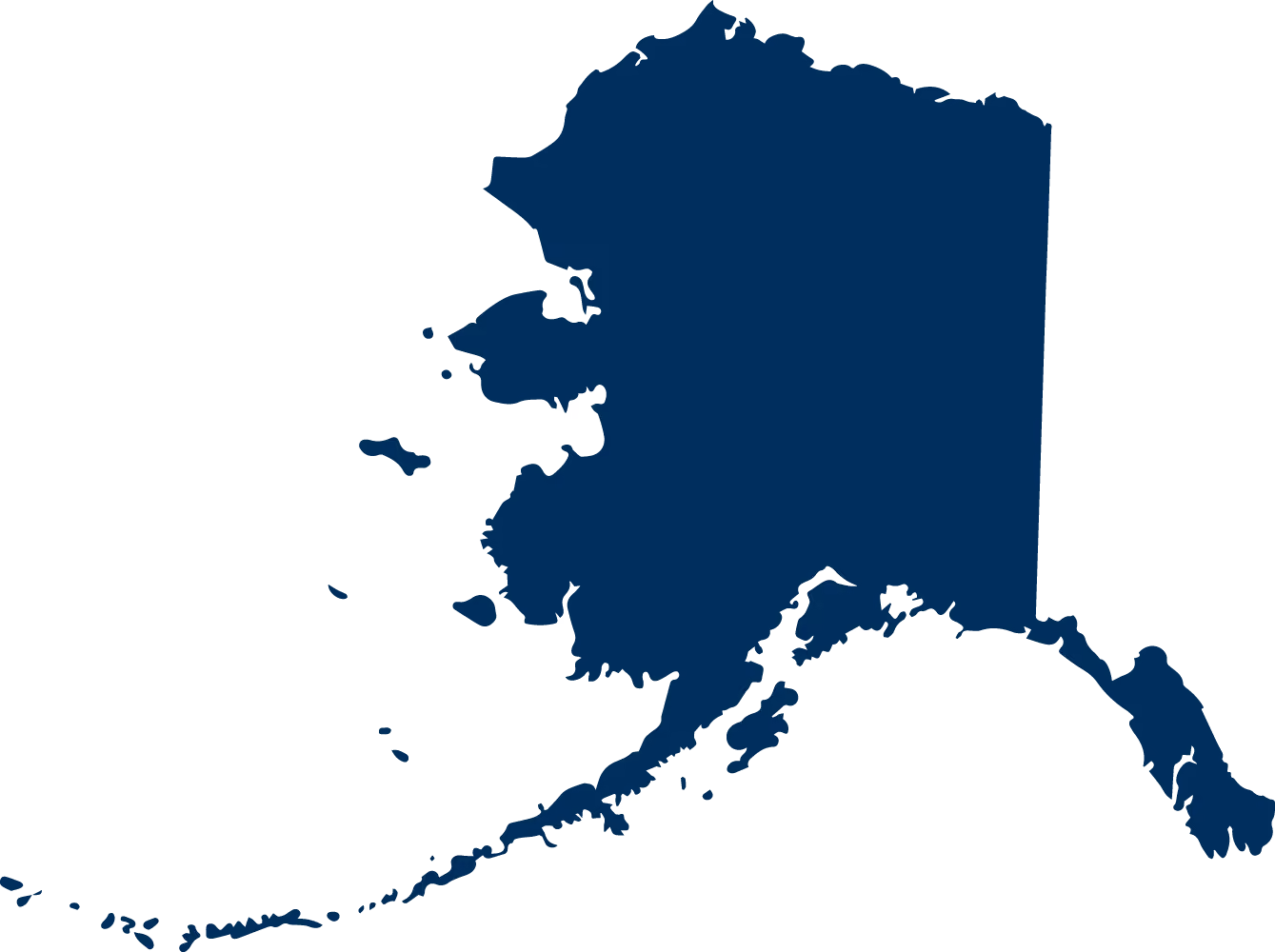
At a Glance
As of May 2026, Alaska has an established Safe Haven Law that allows a parent to legally surrender an unharmed infant anonymously and without fear of prosecution at designated Safe Haven locations. Under existing Alaska law, an infant who is 21 days old or younger may be surrendered to a person at an approved facility. Alaska’s Safe Haven provisions are codified in Alaska Statutes § 47.10.013.
In 2026, Alaska passed legislation through Senate Bill 9 (SB 9) to specifically authorize the use of newborn safety devices, commonly known as Safe Haven Baby Boxes. The bill passed both chambers of the Alaska Legislature in May 2026 and was sent to Governor Mike Dunleavy for signature. (Alaska Watchman)
Under the newly amended law:
- Alaska authorizes the use of newborn safety devices (baby boxes) designed for the safe and anonymous surrender of infants. (Alaska Watchman)
- A parent may legally surrender an infant who is 21 days old or younger using an approved infant safety device or by direct surrender to personnel. (Alaska Watchman)
- Approved locations for infant safety devices may include hospitals, fire stations, birth centers, police departments, rural health clinics, state trooper posts, and other emergency facilities staffed 24 hours a day. (Alaska Watchman)
- The devices must include safety protections such as climate control, automatic locking systems, alarm notification systems, and continuous monitoring to ensure immediate response by first responders. (Alaska Watchman)
- Hospitals, firefighters, EMS personnel, law enforcement, and child welfare agencies remain the front line of protection for vulnerable newborns. (Alaska Watchman)
- The legislation was introduced in response to tragic infant abandonment deaths in Alaska and was designed to provide parents in crisis with an additional anonymous option for safe surrender. (Alaska Watchman)
Safe Haven Education exists to provide schools, communities, first responders, and lawmakers with clear, trusted information about Safe Haven laws and infant surrender protections, while helping communities educate the public about safe, legal options available to parents in crisis.
Alaska Safe Haven Statute:
Alaska Statutes § 47.10.013 — Safe Surrender of Infants
https://www.akleg.gov/basis/statutes.asp#47.10.013
Alaska SB 9 (2026 Amendment):
https://www.akleg.gov/basis/Bill/Detail/34?Root=SB9 (Alaska State Legislature)
If you are a parent is crisis:
If you are pregnant or have a newborn and feel overwhelmed, you do not need to know the law first. You need someone to talk to and a safe plan.
Call or text the 24/7 National Safe Haven crisis line right now: 1-866-99-BABY-1
A trained counselor can:
- Help you think through safe options for you and your baby.
- Talk through what it may look like to go to a hospital, fire station, or law enforcement agency in your area.
- Connect you with local resources that can support you, including adoption and parenting options. You can also go straight to the nearest hospital emergency department, fire station, or police station and tell them you need help keeping your baby safe. They are required to protect the child and contact the appropriate authorities.
Safe Haven Education cannot give you legal advice about what may happen in a specific case, but we will always point you to people who will prioritize your safety and your baby’s safety first.For immediate online help, visit: shbb.org
If you are a school, church, clinic, or community organization in [STATE_NAME]
Even when your state safe haven law has not been amended, you can still make a real difference.
1. Prepare your team for hard conversations.
- Train staff and volunteers to recognize signs that a student or community member may be hiding a pregnancy or in distress.
- Respond calmly, without shaming language.
- Know that there are safe, confidential pathways for help.
Keep the crisis number visible in staff areas: 1-866-99-BABY-1.
2. Know your reporting and safety obligations.
Every state has laws about mandated reporting of abuse or neglect, how to involve child protective services, and how schools and agencies must handle disclosures that a child is unsafe.
Make sure your policies reflect your state’s child welfare and reporting laws, explain clearly who staff should call first in an emergency, and are easy for front line staff to follow under pressure.
3. Create a local response plan.
- Designate a point person or team to handle pregnancy related crises.
- Script what staff should say when someone asks for help with a newborn.
- Build relationships with local hospitals, pregnancy help centers, and child welfare agencies.
- Keep printed information available about confidential help lines and support services.
Safe Haven Education can provide training outlines and templates you can adapt for your organization.
If you are hospital, EMS, or law enforcement leadership
In states where safe haven laws have not been amended, you are still a primary safety net for infants. You can ensure your teams know how to respond when a parent walks in with a newborn asking for help, review policies with legal and risk staff so guidance is consistent and trauma informed, and connect with Safe Haven Education for training and best practices from states that do have Safe Haven laws and baby box programs.
We can help you learn from states that have already implemented Safe Haven protections and SafeHaven Baby Boxes, so you can adapt those insights to [STATE_NAME].
For legislators and advocates in [STATE_NAME]
If you are a legislator or staff member, a community advocate, or a local leader concerned about infant safety, Safe Haven Education can support you with:
- National context on Safe Haven laws and outcomes.
- Sample language and model bill frameworks used in other states.
- Education materials that explain Safe Haven protections to colleagues and constituents.
- Testimony talking points that keep the focus on infant safety and practical implementation.
Our goal is not to dictate policy, but to bring clear data, real world experience, and proven legislative language to the table so [STATE_NAME] can move toward effective, compassionate protections for both infants and parents. You can request a legislative briefing or resource packet through our contact form.
Compliance Note
This page is for education only. It does not list specific legal protections, locations, or guarantees in [STATE_NAME], and it does not replace legal advice. For any legal question or policy decision, consult the current [STATE_NAME] child welfare and criminal statutes, your organization’s legal counsel or compliance office, and state or local child protective services leadership.
Download the
state presentation
Compliance Note
This page is for education only. It summarizes key points of the Safe Haven framework but is not legal advice. Always review the current statute or consult qualified legal counsel before making legal, policy, or law enforcement decisions.
More Resources
Resource Hub: Find printable handouts, slides, and social templates that can be used in schools, clinics, and community events. Legislation and Best Practices: Access model language and briefs if you support lawmakers or policy staff working on Safe Haven improvements.
Are you a mother with an immediate need?
If you are a birth mom in crisis, go to Safe Haven Baby Boxes now for immediate help at shbb.org or call the 24/7 National Safe Haven crisis line at 1 866 99 BABY 1.